
A fear with a believable memory
Start with a character you already know. Connect one fear to their history, choose its strength and give it clear triggers and table cues.
Player & progression
One familiar fear.
A memory behind it.
Choices that stay theirs.

A recurring character detail
Ground the response in established facts and keep the player in control.
Start with a character you already know. Connect one fear to their history, choose its strength and give it clear triggers and table cues.
Explore who notices, two hooks, practical roleplaying tips and a possible way the response could soften. Let the player choose how it appears.

Familiar things, different responses
Mirrors, birds, masks and a small clockwork creature surround the party in the illustration. A companion supports the character beside the mirror, making both the fear and the relationship visible.
Choose birds, mirrors, deep water, darkness, masks and jesters, small spaces, a kind of magic or an ordinary object. Set the tone and strength around the character facts you provide.
What you can create
Connect the memory, response, observers and possibilities for change.
Start with the character name, role and true details. Ground one recurring fear in the facts you provide and the tone of your campaign.
Choose faint unease, nervous dislike, real fear, strong fear, overwhelming fear or legendary terror. Set the strength as character material for your table.
Build around birds, mirrors, deep water, darkness, masks and jesters, small spaces, a kind of magic or an ordinary object.
Choose whether the fear began in childhood, hard times, admiration for someone, a loss, an old success or an accident. Connect the memory to established facts.
Receive two triggers and how the fear appears at the table. Give the player recognisable cues while keeping character decisions with them.
Explore who notices the fear alongside the origin and table cues. Give the recurring detail a place in character relationships.
Receive two story hooks and two practical roleplaying tips. Use the fear as character history that can matter in a scene.
Explore a believable way the response could soften or change. Keep that possible direction beside the origin, triggers and table cues.
Lock, change and edit individual sections. Save versions and reopen the fear with its origin, triggers, observers, hooks and tips intact.
Copy, export as JSON or print the full Dungeon Master dossier or a player-facing character note. The character note leaves out the private note and context.

Trace the memory and the cues
A sketch of a childhood encounter, a goose feather, tabletop markers and open notes sit before the group. The illustration connects remembered events with present cues and a possible calmer path.
Enter the character name, role and true details, then choose tone and strength. In the deeper workflow, choose the kind of fear and where it began, add an established fact, details to avoid and private context.
Prepare the character detail
Choose the fear and its history before reviewing how it appears at the table.
Name the established character and their role. Add the facts that should shape the fear, then choose its tone and strength.
Pick a familiar object or situation and whether the fear began in childhood, hard times, admiration, loss, an old success or an accident.
Read the two triggers, how the fear appears and who notices. Review the two story hooks and practical roleplaying tips.
Explore the possible way the response could change. Edit or lock details, save the version you want and prepare a player-facing note.
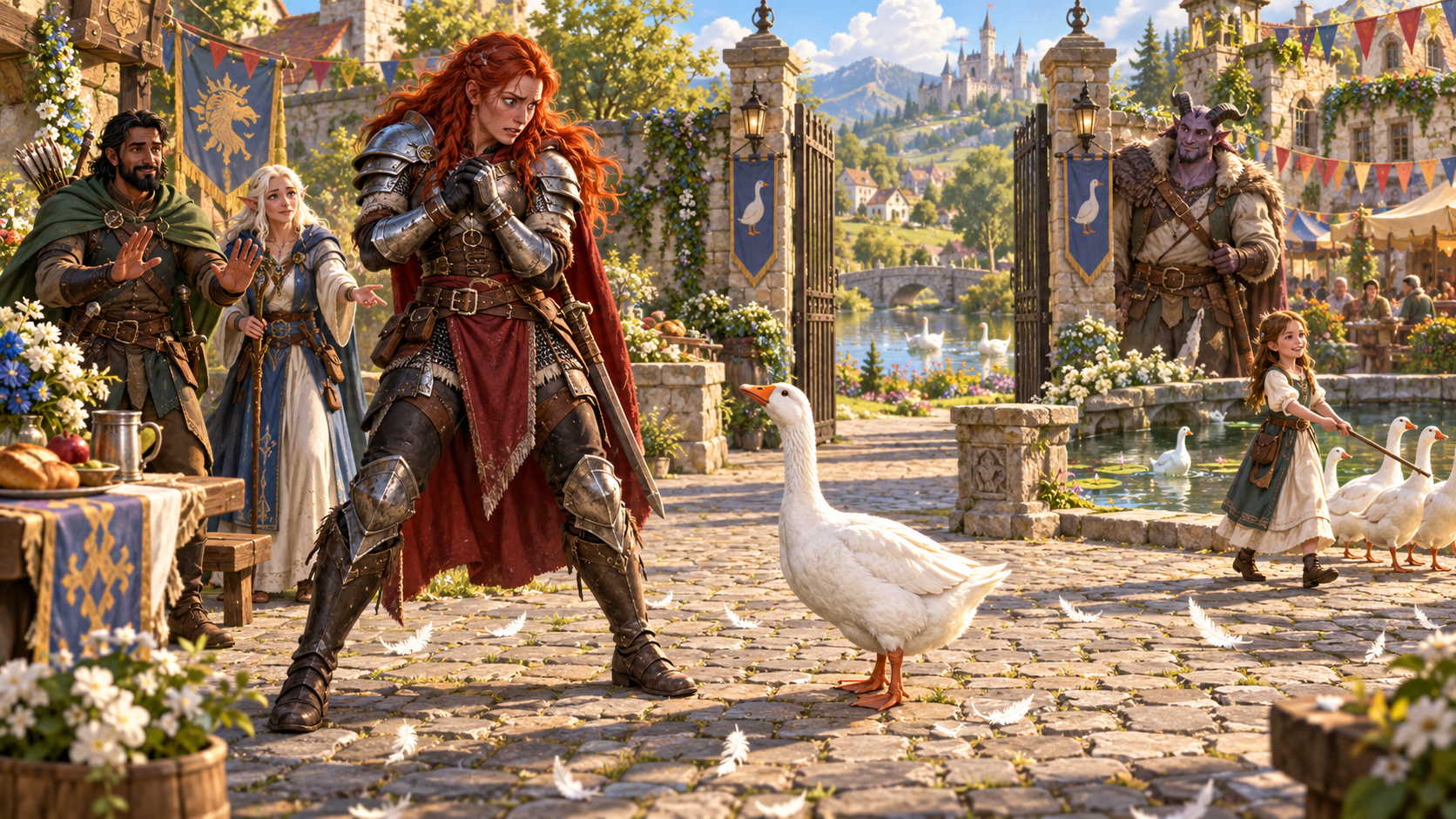
A familiar fear in an ordinary scene
A character faces a goose at a village fair while companions stay nearby. A child and other geese continue through the ordinary surroundings.
Prepare the origin, triggers, table cues, observer, hooks and tips. Keep the possible change close, then let the player decide what their character does.
Keep the character material together
Preserve useful details while preparing the character note or full dossier.
Keep the origin, triggers, table cues, observers, story hooks, roleplaying tips and possible change together in the saved result.
Lock details you want to retain, change other sections and save versions. Refine the recurring fear while keeping it grounded in character facts.
Copy, export as JSON or print the full dossier for your preparation. Keep the private note and Dungeon Master context in that view.
Share the name, fear, origin, triggers, table cues, hooks and tips in the character note. It leaves out the private Dungeon Master note and context.
Your workspace and related products
Open VISINVOKE products through your account.

Open Irrational Fear from the Generators collection in your signed-in Windows desktop workspace.
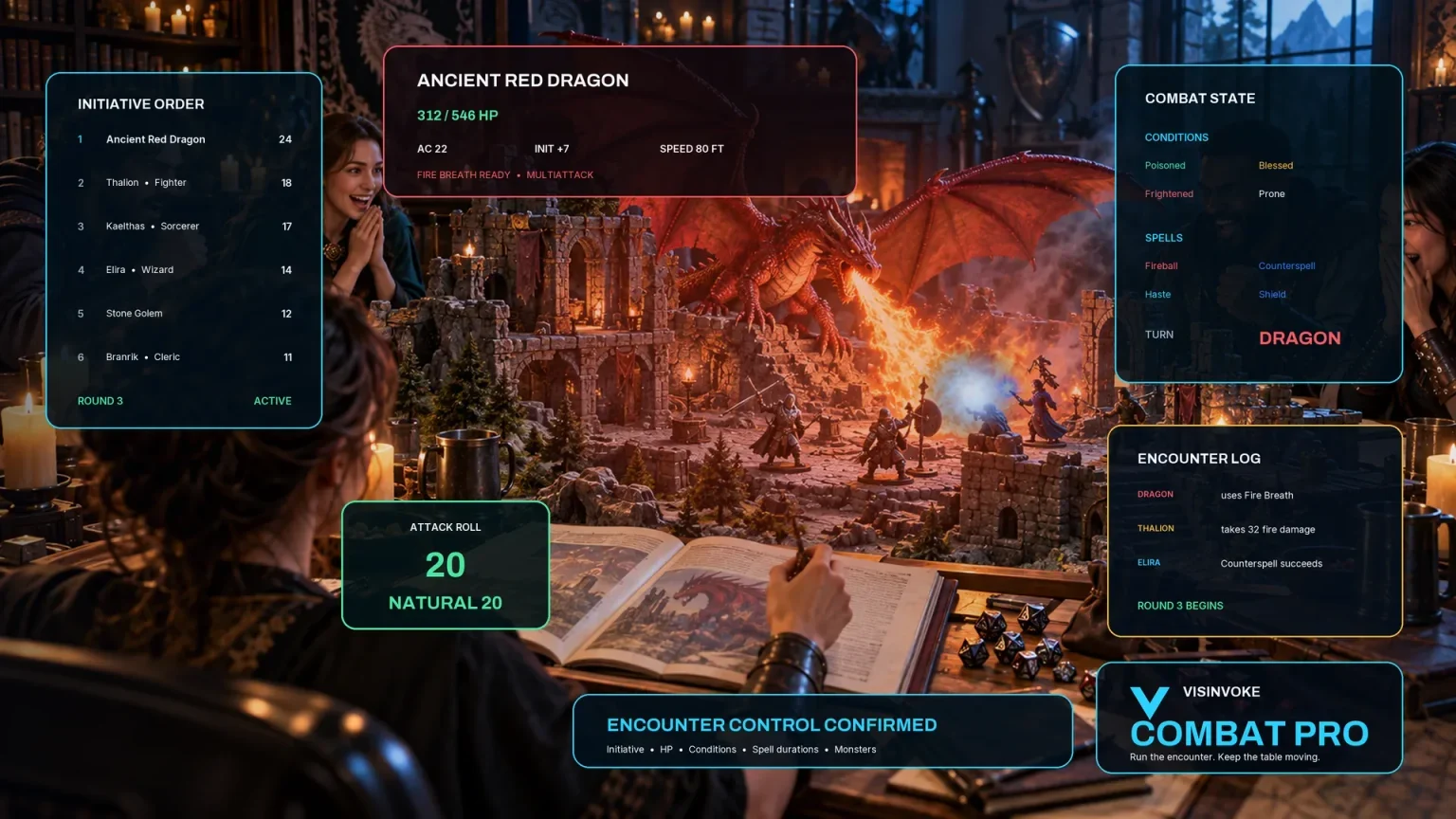
Explore a separate VISINVOKE workspace for preparing and running combat at your table.
Images are product illustrations. Irrational Fear provides fictional character material independently of combat.
Questions and answers
Origins, strengths, triggers, player choices and shareable character notes.
One recurring fictional fear for an established character. It includes the origin, strength and tone, two triggers, how it appears at the table, someone who notices, two hooks, two roleplaying tips and a possible way it could change.
Faint unease, nervous dislike, real fear, strong fear, overwhelming fear or legendary terror. Choose the strength and tone that fit the character and the scene.
Enter the name, role and established details. The deeper workflow lets you choose the kind of fear and its origin, add a character fact, specify things to avoid and include private Dungeon Master context.
The player decides whether and how the fictional fear appears. The generator supplies character material and table cues independently of combat.
Lock, change and edit individual sections, then save versions. Reopen the origin, triggers, table cues, observers, story hooks, roleplaying tips and possible change together.
Copy, export as JSON or print a player-facing character note with the name, fear, origin, triggers, table cues, hooks and tips. The private Dungeon Master note and context stay out of that view.
Continue in VISINVOKE
Create a free VISINVOKE account or sign in to your existing account. Get Desktop Control Centre through your account installer page.
Open Irrational Fear in the Generators collection on Windows. View current subscription details in your account.